Overview Professional mice control Oakville for home infestations and prevention
Overview Professional mice control Oakville for home infestations and prevention
Blog Article
A mouse infestation can start with one small opening and quickly travel through wall voids, cupboards, attics and basements. The house mouse is small enough to pass through a gap about the width of a pencil. Once inside, it searches for food, water and nesting material.
Professional Mice Control Oakville services focus on more than placing traps. A pest control technician should detect mouse activity, find entry points, remove the active problem and complete exclusion repairs that reduce the chance of a recurring infestation. This process protects your home, limits food contamination and gives you clear steps for long-term mouse prevention.
Mosquito Man is one business name homeowners may see when researching pest services. Before hiring any provider, ask what the property inspection involves, which control methods the technician will use and whether follow-up treatment is included in the plan.
How to Identify a Mice Infestation
Early signs often show up before you see a live mouse. Look at areas near food storage, appliances, basement ceilings, garage walls and insulation. Mice tend to travel along edges, so look behind objects and along wall-floor joints.
- Rodent droppings: New droppings are usually dark and soft, while older droppings become dry and lighter. Numerous droppings in one area suggest ongoing mouse activity.
- Gnaw marks: Mice chew cardboard, plastic, wood and wiring. Tiny paired bite marks on packages or trim can show an active route.
- Scratching noises: Movement inside walls, ceilings or stored materials may sound like light scratching, especially after the home becomes quiet.
- Rodent nests: Mice build nests from shredded paper, insulation, fabric and other soft material. Inspect warm, hidden nesting areas near food and shelter.
A single sign does not always reveal the size of the problem. A home inspection can tie together droppings, odours, gnaw marks and nesting areas to specific entry points. Avoid sweeping or vacuuming dry droppings before learning about safe dropping cleanup. Disturbing contaminated material can release particles into the air.

What Attracts Mice to a Home
Mice get into homes because the building offers steady food, moisture and shelter. A clean home can still attract rodents if small food sources remain available or if gaps allow simple access.
Food sources include crumbs, pet food, birdseed, pantry goods and food waste. Mice can chew through thin packaging, so food storage should rely on sealed containers made from glass, metal or thick plastic. Clean spills promptly, including grease beneath appliances.
Water leaks from plumbing, condensation, utility rooms or damaged exterior materials give mice a reason to stay. Repair leaking taps and pipes, dry damp cabinets and check areas below sinks. A dehumidifier may help with general moisture, but it will not replace a plumbing repair.
Clutter gives mice places to hide and build mouse nests. Cardboard boxes, unused fabric, stacked paper and crowded storage areas make mouse activity tougher to spot. Store items off the floor and leave space around walls for inspection.
Shelter can include insulation, wall cavities, attics, basements and spaces beneath appliances. Mice prefer undisturbed areas close to food. Good sanitation practices reduce attractants, but sanitation alone cannot solve an infestation if entry points remain open.
Common Entry Points Used by Mice
Mice often come inside through defects that look too small to matter. Inspect the outside of the home from ground level up to the roofline. Check carefully where two materials meet or where pipes and cables pass through walls.
- Cracks in the foundation: Small cracks, gaps around foundations and openings near basement windows can let mice reach lower levels.
- Gaps around doors: A worn threshold or gap beneath an exterior door can create a direct route inside. Door sweeps help block the space while keeping the door functional.
- Utility openings: Utility penetrations around pipes, cables, vents and heating equipment often have seals that are loose or missing.
- Roofline openings: Damaged soffits, roof edges, vents and areas around chimneys can lead into attics and upper wall spaces.
Do not seal an opening without considering whether mice are still inside. Closing an active route too early can keep rodents indoors. A professional plan should pair rodent exclusion with removal and monitoring.
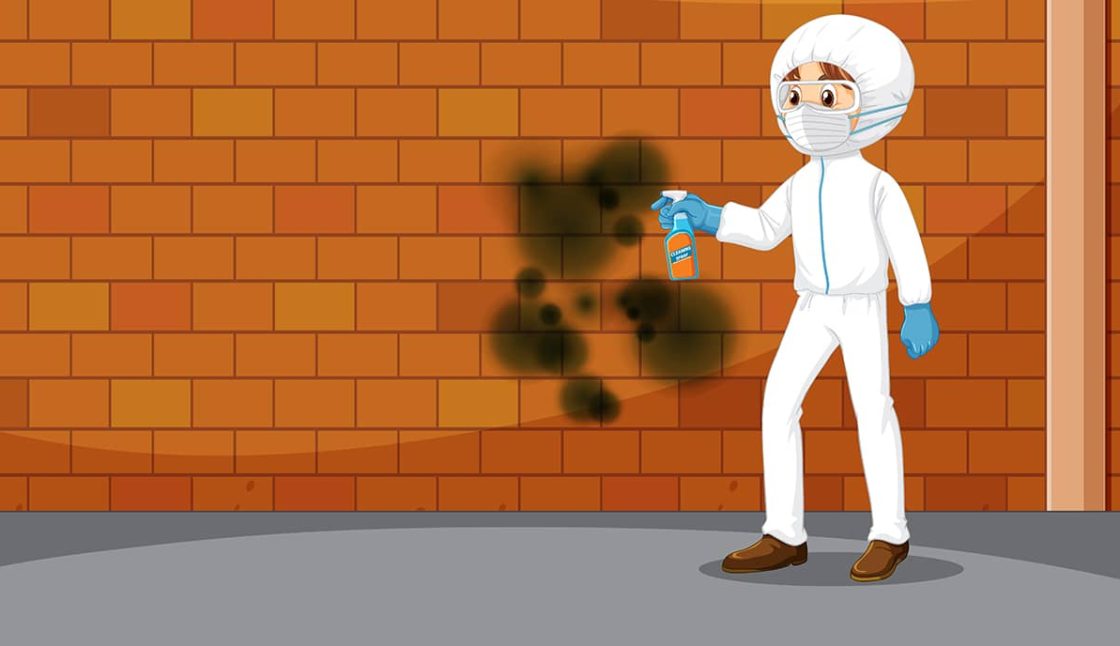
Ways Professional Mice Control Operates
A trained service opens with a property inspection not from a guess. The technician reviews evidence, reviews interior and exterior areas, identifies the likely species and creates a treatment plan. The goal is to solve the cause of the mouse infestation, not only the visible symptom.
The process often covers:
- Property inspection: The technician reviews rooms, storage areas, attic spaces, basement areas and exterior walls.
- Mouse identification: Droppings, tracks, damage and nesting material help confirm whether the pest is a house mouse or another rodent.
- Exclusion work: The service identifies openings and suggests or carries out repairs that block access.
- Monitoring stations: Secure stations monitor mouse activity and indicate whether control measures are working.
Inspection and Infestation Assessment
During the assessment, the technician searches for mouse activity rather than relying on one sighting. Droppings near a pantry may show feeding, while shredded insulation in a quiet wall cavity may show nesting areas. Rub marks, odours and gnawing can help trace travel routes.
The technician also notes entry points. These may include gaps behind appliances, cracks around foundations, openings around plumbing and damaged vents. A complete home inspection should explain which openings are active, which are potential risks and which repairs should happen first.
The assessment also accounts for household routines. Pet food left out overnight, accessible recycling and rarely used storage rooms can affect the treatment plan. Clear findings make it easier for you to follow practical preventive measures.
Careful Mouse Removal and Control Methods
Control methods should match the home, the level of activity and your household’s safety needs. Snap traps can provide quick control when placed correctly along mouse travel routes. They should remain out of reach to children and pets.
Live removal traps may work for homeowners who request humane removal. They need frequent checking and careful handling. Releasing a mouse without correcting the entry point can simply shift the problem elsewhere or allow it to return.
Mouse bait may play a role in a professional treatment, but it needs careful placement and management. Bait should never be left where children, pets or non-target animals can reach it. Ask how the technician will prevent odour or access problems if a mouse dies inside a wall.
A combined pest management plan brings together inspection, sanitation, trapping, exclusion and monitoring. This approach limits dependence on one method. It also helps identify why mouse activity continues when an initial trap placement does not solve the problem.
Sealing and Excluding Mice
Exclusion repairs stop the routes mice use to enter. Small gaps may be packed with steel fibre and sealed with an appropriate material. Steel wool alone can shift or rust, so it needs to form part of a suitable repair.
Larger openings may require wire mesh, metal flashing or another durable barrier. Around doors, door seals can close the lower gap. Exterior joints and small stationary cracks may need caulking, but flexible sealant is not suitable for every surface or opening.
Good rodent exclusion considers movement, drainage and ventilation. Blocking a vent or covering a drainage route can create a new building problem. A technician should explain the repair and confirm that the work does not interfere with the home’s normal systems.
Health and Home Risks of Mice
Mice can cause health risks through contaminated droppings, urine and nesting material. Dry waste may become airborne during cleaning. Use suitable protection, increase ventilation where possible and follow safe cleaning instructions. People with respiratory conditions may need extra caution.
Food contamination can occur when mice travel across counters, cupboards, packaging and food preparation areas. Discard food in damaged packaging. Clean hard surfaces with an appropriate disinfectant, and wash hands after handling affected materials.
Mice may also carry or spread disease carried by rodents. The level of risk depends on exposure, the condition of the infestation and how contaminated materials are handled. A pest professional can advise on cleaning droppings and areas that need special attention.
Property damage is another concern. Mice chew insulation, drywall, wood and wiring. Damaged wiring can affect appliances and may increase fire risk. If you find exposed or chewed wiring, arrange an electrical assessment before covering the area.
Steps to Avoid Future Mouse Infestations
Prevention is most effective as a routine rather than a one-time task. After mice removal, continue checking the conditions that made the home attractive.
- Store dry goods, pet food and treats in airtight food containers. Do not depend on cardboard or thin bags.
- Follow consistent waste management. Use closed bins, rinse food containers and avoid leaving full garbage bags inside.
- Maintain vegetation near exterior walls. Regular vegetation care improves visibility and limits sheltered routes beside the building.
- Book frequent inspections for older homes, properties with past activity or buildings with many utility penetrations.
- Replace damaged screens, vents, door seals and foundation gaps quickly.
- Keep storage off the floor and leave a open walkway along walls.
Sanitation supports prevention, but it cannot compensate for open entry points. The most effective routine combines food storage, clean storage areas, exterior maintenance and rodent exclusion.
Mice Control Pricing and Service Timing
The price of mice control varies with the degree of mouse activity, the size and design of the property, access to nesting areas, the total of entry points and the amount of exclusion work required. A basic service may involve an inspection and trap placement. A more complex case may require several visits and repairs across the exterior.
Ask whether an inspection cost applies on its own or is included in the service price. Request a written treatment plan that describes the findings, recommended methods, exclusion repairs and expected follow-up.
Return visits may be needed when activity persists, traps require resetting or repairs need reviewing. A follow-up treatment can confirm whether new droppings or other signs have appeared. Ask what the service includes if mouse activity returns after the initial work.
A treatment warranty varies by provider and may cover specific repairs or a defined period of follow-up. Read the conditions closely. Some warranties do not cover new damage, untreated areas or activity caused by changes to the building.
Response time depends on appointment availability, the size of the suspected problem and whether the issue presents an immediate safety concern. While waiting, store food securely, remove accessible pet food, avoid moving contaminated materials and record where you find fresh signs.
When to Hire a Professional Mice Control Service
Call a professional when you notice ongoing mouse activity, fresh droppings after cleaning, repeated scratching or damage that returns after trapping. A single mouse can suggest others nearby, especially when signs appear in more than one room.
Multiple pest signs deserve quick attention. Droppings, gnaw marks, odours and nesting material together suggest an established problem. Do not wait for mice to become visible during the day, since daytime sightings may indicate competition for food or a larger population.
A qualified response is also helpful when there is inaccessible nesting inside walls, ceilings, attics or insulation. These areas can be challenging to inspect have a peek at this site safely and may require a planned removal and exclusion plan.
A professional response gives you a written assessment and practical next steps. The technician can separate active openings from old building defects, select a safe treatment and schedule follow-up treatment. Contact a provider without delay if you find electrical wiring damage, extensive contamination or signs that mice have reached food preparation areas.
Common Questions
How can I tell if I have mice in my Oakville home?
Look for mouse droppings, gnaw marks, scratching noises, urine odours, tracks and mouse nests. Fresh signs near food, appliances, wall edges or stored materials suggest ongoing mouse activity. A property inspection can confirm the likely entry points and nesting areas.
What attracts mice to homes in Oakville?
Mice seek food, water and shelter. Crumbs, pet food, open garbage, water leaks, clutter, insulation and quiet wall spaces can attract them. Sealed containers, good sanitation practices and quick repairs reduce these conditions.
How much does mice control cost in Oakville?
Pricing depends on the inspection fee, property size, infestation level, access, exclusion repairs, trap or bait needs and follow-up visits. Ask for a clear treatment plan and confirm whether a warranty or follow-up treatment is included.
Are mice dangerous to my family and pets?
Mice can create health risks through contaminated droppings, urine, food contamination and possible rodent-borne disease exposure. They can also damage electrical wiring. Keep traps and rodent bait away from children and pets, and ask a professional about safe treatment and dropping cleanup.
How can I prevent mice from entering my home?
Seal foundation cracks, utility penetrations, roofline gaps and door gaps. Install suitable door sweeps, store food in sealed containers, manage garbage, reduce clutter and maintain vegetation near exterior walls. Regular inspections help find new openings before they become active routes.
When do I need to call a professional mice control service?
Contact a professional when signs continue after trapping, when you find several signs of infestation or when nesting areas are difficult to reach. A professional can assess the mouse infestation, carry out rodent exclusion and prepare a safe treatment plan instead of treating individual symptoms.
Are humane mice removal options available in Oakville?
Humane removal may include live traps, regular monitoring and exclusion repairs. Live capture requires frequent checks and does not solve the problem unless the building is properly sealed. Share your preference with the provider before treatment begins.
How quickly can a mice control expert respond in Oakville?
Response times vary with appointment demand, the size of the infestation and the urgency of the risk. Tell the provider about new droppings, food contamination, electrical wiring damage or mice in living areas. These details help the service assign an appropriate priority.
Report this page